


Specialty
Care

WE ARE FIDIA
We are an Italian multinational, established in 1946, with a vocation to create solutions to meet new challenges in health and improve people’s true quality of life.
We have understood the regenerating potential of hyaluronic acid since the 1950s and today we are one of the leading global players in the manufacture of hyaluronic acid-based products. Full control of the supply chain, from research to marketing, sets us apart and for this reason we define ourselves as a fully integrated company.
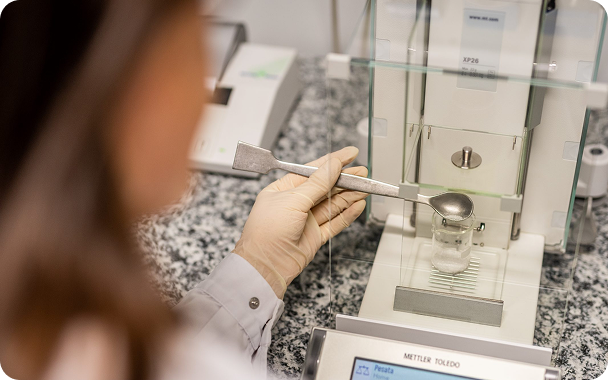
FIDIA IN SPECIALTY CARE
Specialty care focuses on several key areas:
Gyneacology
Researching innovative and effective solutions to improve women’s health and quality of life, particularly addressing issues like vaginal dryness.
Urology
We are engaged in research and provide solutions for the treatment of urological diseases.
Neuroscience
Offer physiological, well-tolerated and innovative treatments to balance mental health.
INFECTIONS
We offer effective and safe solutions for chronic or acute inflammatory diseases.
OUR PILLARS
Gyneacology
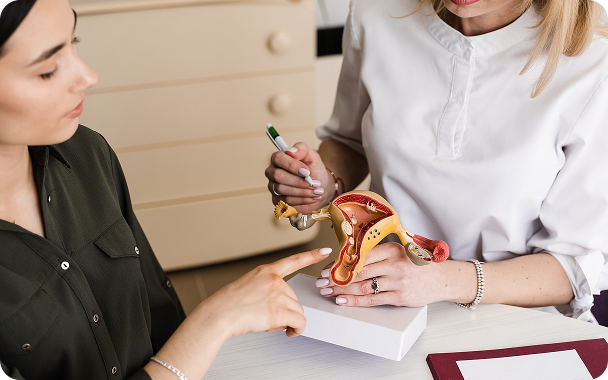
55% of postmenopausal women experience symptoms of vaginal dryness.1
Vaginal dryness can occur at any age due to several different causes, but it is mostly associated with a drop in oestrogen levels, a condition frequent in menopausal.2,3
Other oestrogen deficiency states may affect cancer survivors, postpartum women and those who have been taking oral contraceptives for long time.2,3
Vaginal dryness is often accompanied by other symptoms like burning, irritation, dyspareunia, post-coital bleeding, vaginal bleeding, painful intercourse3 and increased risk for recurrent vaginal infections and urinary tract infections.2
References:
1.
Kingsberg S.A., et al. Vulvar and vaginal atrophy in postmenopausal women: findings from the REVIVE (REal Women’s VIews of Treatment Options for Menopausal Vaginal ChangEs) survey. J Sex Med. 2013
2.
Bleibel B., Nguyen H. Vaginal Atrophy. StatPearls 2021
3.
Nappi R.E. et al., Climateric 2020

UROLOGY
Urinary disorders significantly impact quality of life, causing bothersome and sometimes disabling symptoms, as well as potential long-term complications.
The need to urinate frequently (pollakiuria) or at night (nocturia) disrupts sleep and work or social activities, disrupting daily life.
Recurrent infections and incontinence can cause psychological effects, leading to social isolation, anxiety, and a reduction in overall well-being.
Changing dietary and physical activity habits is often necessary to manage or prevent these disorders.
NEUROSCIENCE
Neurological disorders affect up to one billion people worldwide.1
Neuroendocrine disorders are related to a variety of behavioural symptoms such as weakness and fatigue, depressed mood, lack of motivation, decreased performance at work and in sport, decreased vitality, increased anxiety and irritability, insomnia, difficulty concentrating and impaired memory.2
Metabolic alteration of neurons and neurotransmitters contribute to develop depression and stress-related disorders.
The World Health Organization (WHO) has ranked depression the 4th leading cause of disability worldwide and projects that by 2030, it will be the first leading cause.3 Modern technologies highlighted both the crucial role played by membrane phospholipids in ensuring optimal neuronal function in the adult brain and the relative loss of their efficacy during the ageing process.2

References:
1.
World Health Organization. Neurological Disorders: Public Health Challenges. 2006.
2.
Wurtman RJ et al. Brain Research. 2009; phospholipid role in synaptic function and ageing.
3.
World Health Organization. The Global Burden of Disease / World Health Report. 2001 (and updates).
infections
Inflammation is part of the body’s defence mechanism by which the immune system recognizes and removes harmful and foreign stimuli and begins the healing process. Inflammation can be either acute or chronic.
Tissue damage due to trauma, microbial invasion, or noxious compounds can induce acute inflammation.
It starts rapidly, becomes severe in a short time and symptoms may last for a few days
It starts rapidly, becomes severe in a short time and symptoms may last for a few days
Chronic inflammation is also referred to as slow, long-term inflammation
lasting for prolonged periods of several months to years. Generally, the
extent and effects of chronic inflammation vary with the cause of the injury
and the ability of the body to repair and overcome the damage.
Chronic inflammatory diseases are the most significant cause of death in the world.1
References:
1.
Pahwa R, Goyal A, Jialal I. Chronic Inflammation. [Updated 2023 Aug 7]. In: StatPearls [Internet].
From disease to Treatment
Fidia bridges the gap between understanding disease mechanisms and clinical practice, providing healthcare professionals with science-based insights to support informed decisions and improve patient outcomes across a wide range of specialty care areas.