

gyneacology
VVA
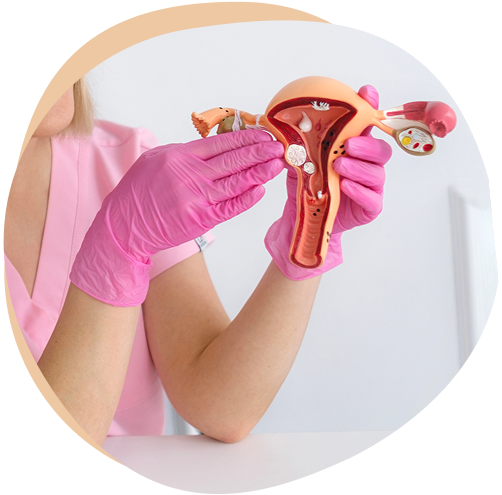
FROM disease TO TREATMENT \ GYNEACOLOGY VVA
We research to provide innovative and effective solutions to improve women’s health and their quality of life.
VVA
Vaginal dryness can occur at any age due to several different causes, but it is mostly associated with a drop in oestrogen levels, a condition frequent in menopause.(2,3) Other oestrogen deficiency states may affect cancer survivors, postpartum women, and those who have been taking oral contraceptives for a long time.(2,3)
Vaginal dryness is often accompanied by other symptoms like burning, irritation, dyspareunia, post-coital bleeding, vaginal bleeding, painful intercourse(3) and increased risk for recurrent vaginal infections and urinary tract infections.(2)
Vaginal dryness is often accompanied by other symptoms like burning, irritation, dyspareunia, post-coital bleeding, vaginal bleeding, painful intercourse
References:
1.
BleibelB, Nguyen H. Vaginal Atrophy. StatPearls 2021AMS Position Statement, Menopause: The Journal of The North American Menopause Society 2020 Vol. 27, No. 9, pp. 976-992 Nappi R.E. et al., Climateric2020
MENOPAUSE
55% of postmenopausal women experience symptoms of vaginal dryness.
The menopausal transition is the most well-recognized trigger of vulvovaginal atrophy. As estrogen production by the ovaries declines, the vaginal epithelium becomes thinner and less lubricated.
This can lead to increased friction, microtrauma, and a heightened risk of infections and inflammation.
The term Genitourinary Syndrome of Menopause (GSM) was introduced to reflect the complex and multifactorial nature of postmenopausal symptoms, which affect not just the reproductive system but also urinary function and sexual health.
GSM affects more than half of all postmenopausal women, yet many suffer in silence due to embarrassment or the mistaken belief that it’s an inevitable part of aging.1
This can lead to increased friction, microtrauma, and a heightened risk of infections and inflammation.
The term Genitourinary Syndrome of Menopause (GSM) was introduced to reflect the complex and multifactorial nature of postmenopausal symptoms, which affect not just the reproductive system but also urinary function and sexual health.
GSM affects more than half of all postmenopausal women, yet many suffer in silence due to embarrassment or the mistaken belief that it’s an inevitable part of aging.1

References:
1.
Palma F, XholliA, CagnacciA; as the writing group of the AGATA study. The most bothersome symptom of vaginal atrophy: Evidence from the observational AGATA study. Maturitas. 2018 Feb;108:18-23. doi: 10.1016/j.maturitas.2017.11.007.NAMS Position Statement, Menopause: The Journal of The North American Menopause Society 2020 Vol. 27, No. 9, pp. 976-992Nappi R.E. et al., Climateric2020

BREAST CANCER SURVIVORS
Among breast cancer survivors, vulvovaginal atrophy (VVA) is both common and difficult to treat.
Many women experience an abrupt treatment-induced (iatrogenic) menopause due to chemotherapy, oophorectomy, or aromatase inhibitor therapy. This sudden drop in estrogen levels often leads to early, severe, and persistent VVA symptoms, including vaginal dryness, burning, dyspareunia, and recurrent infections.
Because hormonal treatments are usually contraindicated in this group, non-hormonal alternatives become essential.Despite the high burden of symptoms, VVA is still frequently overlooked in oncology care, affecting not only physical comfort but also sexual health and emotional well-being.
A multidisciplinary approach focused on safe, effective, and individualized solutions is key to supporting survivors and improving their quality of life after cancer.1
Many women experience an abrupt treatment-induced (iatrogenic) menopause due to chemotherapy, oophorectomy, or aromatase inhibitor therapy. This sudden drop in estrogen levels often leads to early, severe, and persistent VVA symptoms, including vaginal dryness, burning, dyspareunia, and recurrent infections.
Because hormonal treatments are usually contraindicated in this group, non-hormonal alternatives become essential.Despite the high burden of symptoms, VVA is still frequently overlooked in oncology care, affecting not only physical comfort but also sexual health and emotional well-being.
A multidisciplinary approach focused on safe, effective, and individualized solutions is key to supporting survivors and improving their quality of life after cancer.1
References:
1.
Nappi RE, Martella S, Albani F, Cassani C, Martini E, Landoni F. HyaluronicAcid: A ValidTherapeuticOption for Early Management of GenitourinarySyndrome of Menopause in Cancer Survivors? Healthcare (Basel). 2022 Aug13;10(8):1528. doi: 10.3390/healthcare10081528
COC USERS
Although less commonly recognized, long-term use of combined oral contraceptives can sometimes lead to mild vulvovaginal atrophy or localized estrogen deficiency, particularly in sensitive individuals.
This may be due to the suppression of natural estrogen fluctuations and the impact of synthetic hormones on vaginal tissues. Some women may experience:
- Reduced vaginal lubrication
- Increased susceptibility to irritation
- Recurrent episodes of bacterial or yeast infections
In such cases, non-hormonal moisturizers, local estrogen therapy, or alternative contraceptive options may be considered in consultation with a gynecologist.1,2

References:
1.
Aerts L.,PluchinoN., Hormonal contraceptionand vulvodynia: an update, GREM Gynecological and Reproductive Endocrinology& Metabolism(2021); Volume 2 -3/2021:156-161 doi: 10.53260/GREM.212034
2.
BothS, Lew-StarowiczM, Luria M, SartoriusG, MaseroliE, Tripodi F, LowensteinL, Nappi RE, Corona G, ReismanY, Vignozzi L. Hormonal Contraceptionand Female Sexuality: Position Statementsfrom the EuropeanSociety of SexualMedicine (ESSM). J Sex Med. 2019 Nov;16(11):1681-1695. doi: 10.1016/j.jsxm.2019.08.005
POST PARTUM
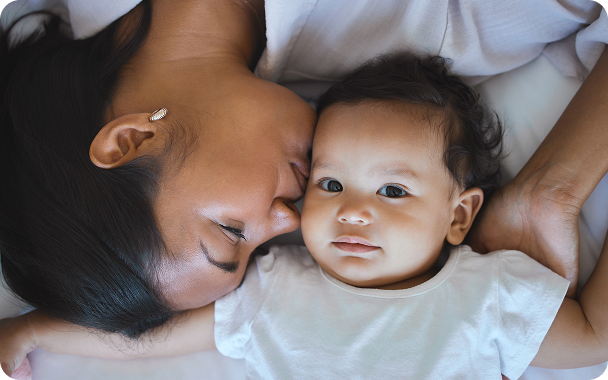
During the postpartum period, especially when breastfeeding, estrogen levels remain low due to high prolactin levels. This temporary hypoestrogenic state can mimic the vaginal changes seen in menopause.
Many new mothers report vaginal dryness, irritation, or discomfort during intercourse, but these symptoms are rarely discussed or addressed during postnatal visits.
In some cases, VVA symptoms may persist beyond the early months, particularly in women who breastfeed for extended periods or who are already predisposed to mucosal sensitivity. Promoting open conversations around intimate postpartum health is essential to ensure proper care and emotional support.1
In some cases, VVA symptoms may persist beyond the early months, particularly in women who breastfeed for extended periods or who are already predisposed to mucosal sensitivity. Promoting open conversations around intimate postpartum health is essential to ensure proper care and emotional support.1
References:
1.
Gustavino C, Sala P, Cusini N, Gravina B, Ronzini C, Marcolin D, Vellone VG, Paudice M, Nappi R, Costantini S, Ferrero S, Barra F. Efficacyand safetyof prolonged-release hyaluronicacid derivative vaginal application in the postpartum period: a prospectiverandomisedclinical trial. Ann Med. 2021 Dec;53(1):1589-1597. doi: 10.1080/07853890.2021.1974083
Discover more
about our solutions